General and Laparoscopic Surgery in Semmancheri, OMR
General and Laparoscopic Surgery at Astra
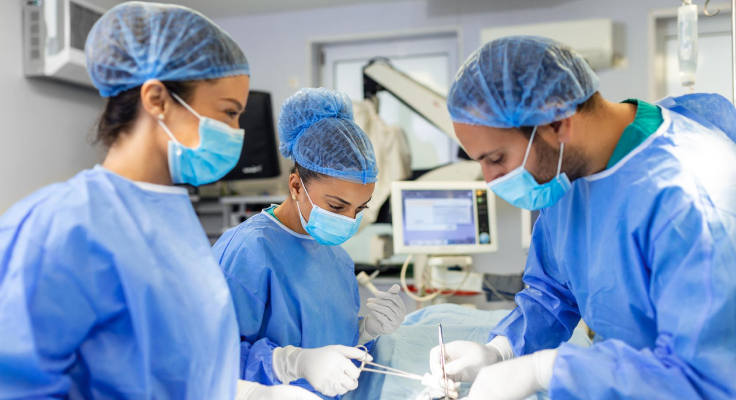
Most people who need surgery have never had it before and the anxiety usually has less to do with the operation than with not knowing what happens around it. Astra's general surgery team treats hernias, gallstones, appendicitis, piles, lumps and swellings - using laparoscopic (keyhole) techniques wherever they are appropriate. Keyhole surgery generally means smaller incisions, less pain, a shorter stay and a quicker return to work. Our surgeons include consultants in general surgery, surgical gastroenterology, hepatobiliary surgery and plastic surgery, with 24-hour cover for surgical emergencies.
All Treatments
Cardiology Chest Pain Gastroenterology General Surgery Gynecology Infertility Neurology Obstetrics Pediatrics Physiotherapy Pulmonology Orthopedics & Spine surgeryConditions
-
Hernias - inguinal, umbilical, incisional and hiatus hernias. A hernia that becomes suddenly painful, hard or irreducible needs emergency surgery
-
Gallstones and gallbladder disease - right upper abdominal pain, often after fatty meals, sometimes with nausea and jaundice
-
Appendicitis - pain beginning around the navel and settling in the right lower abdomen, with fever and nausea. A surgical emergency
-
Piles, fissures and fistulas - bleeding, pain on passing stool, itching and swelling; very treatable
-
Lumps and swellings - lipomas, sebaceous cysts and other soft-tissue lumps
-
Thyroid swellings - enlargement or nodules requiring assessment and in some cases, surgical removal
-
Breast lumps - evaluation of any new breast lump, with biopsy and surgical treatment where required
-
Abdominal emergencies - bowel obstruction, perforation, abscesses and abdominal trauma
-
Varicose veins - painful, prominent leg veins with swelling, skin changes or ulceration
-
Diabetic foot and wound care - non-healing ulcers and infections requiring surgical management
Treatments & Procedures
Our general surgery unit is equipped to perform a wide spectrum of surgical procedures, utilizing both traditional and advanced laparoscopic techniques. We prioritize patient safety and accelerated recovery protocols for all routine and complex surgical interventions.
-
Laparoscopic hernia repair
And open mesh repair where keyhole surgery is not suitable.
-
Laparoscopic cholecystectomy
Gallbladder removal for symptomatic gallstones.
-
Laparoscopic and open appendicectomy
Emergency removal of an inflamed appendix.
-
Haemorrhoid, fissure and fistula procedures
Including stapled and laser techniques where suitable.
-
Excision of lumps, cysts and skin lesions
Under local or general anaesthesia, often as day-care.
-
Thyroid surgery and breast lump excision
With biopsy where required.
-
Emergency laparotomy
For abdominal emergencies.
-
Varicose vein procedures and diabetic foot surgery
Including wound debridement.
What Happens Before, During and After Surgery
Before. Your surgeon explains what is wrong, what the operation involves, the alternatives and the risks. Pre-operative tests typically include blood tests, an ECG and a chest X-ray, along with an anaesthetic review. You will be told when to stop eating and drinking. Stopping smoking, even a few days beforehand, measurably reduces complications.
On the day. You will be asked to confirm your name, the procedure and the site - repeatedly and by different people. That repetition is a safety check, not disorganisation.
After. Pain relief is given regularly rather than only on request. Early mobilisation genuinely reduces complications. You will receive a discharge summary, medications, wound-care instructions and a follow-up date. Contact us after discharge if you develop fever, increasing pain, redness or discharge from the wound, persistent vomiting, difficulty passing urine or breathlessness.
Consultants: Dr. K. Abhilash, Dr. Sabari Srinivasan, Dr. CAPT. S. Srinivasan. Related: digestive and liver conditions.
Frequently asked questions
In an emergency? Need help now?
Our emergency team is available around the clock to provide immediate medical attention for critical conditions. Call us or visit Astra Speciality Hospital for urgent care.
Make an Appointment